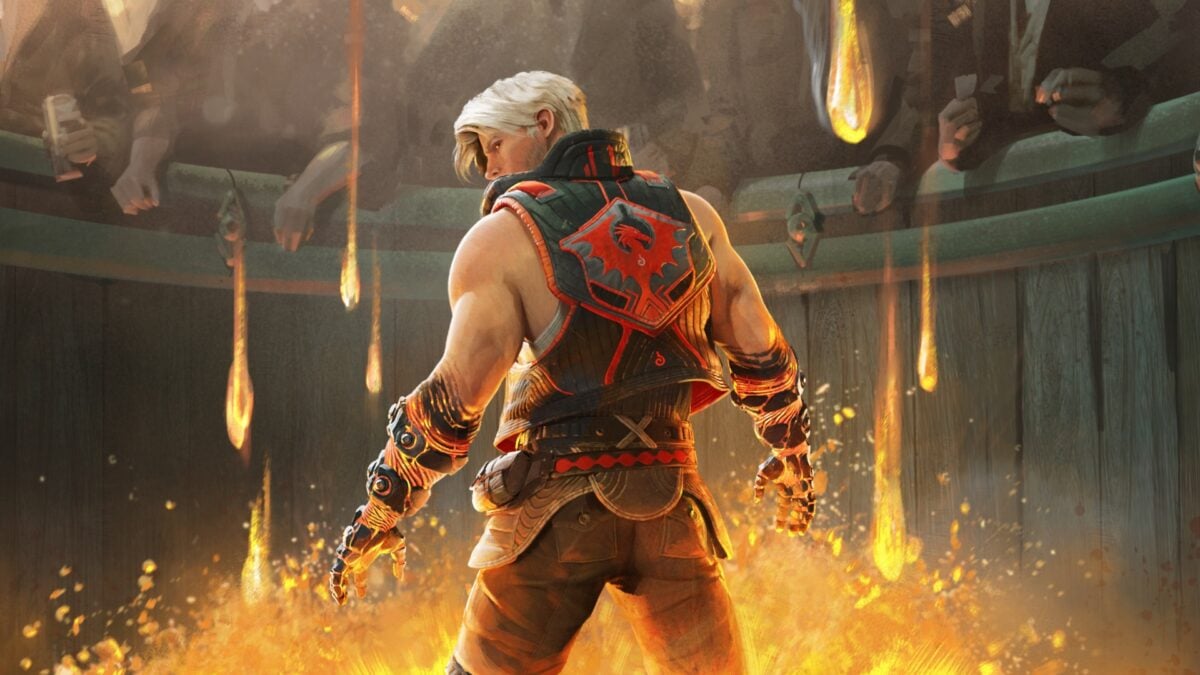
Highguard: Why the Free-to-Play Shooter Failed So Fast
The gaming world is no stranger to ambitious titles making a grand entrance, only to fizzle out. Yet, few recent examples have illustrated this volatile trend as dramatically as Highguard. Wildlight Entertainment's free-to-play hero shooter, which launched with significant fanfare in January 2026, is officially shutting down its servers on March 12, 2026. This shockingly rapid demise – less than two months after its debut – serves as a stark reminder of the brutal realities of the live-service market and the delicate balance required to foster player trust and a sustainable community. Despite attracting over 2 million players, Wildlight admitted it simply couldn't build a long-term, viable player base, prompting the swift and difficult decision to sunset the project.
From Coveted Showcase to Community Backlash
Highguard burst onto the scene in late 2025 during The Game Awards' prestigious "one last thing" slot. This highly coveted showcase is typically reserved for established franchises or titles from veteran studios, a testament to the perceived potential of Wildlight, a company founded by developers who cut their teeth on industry giants like Apex Legends, Titanfall, and Call of Duty. The initial buzz was palpable, hinting that Highguard could carve out a niche in the increasingly crowded hero shooter genre.
Upon its January 2026 launch, the numbers seemed to confirm this early promise. Highguard quickly garnered attention, reaching a peak of nearly 100,000 concurrent users on Steam. For a new IP entering a relentless market, this was no small feat, suggesting it might indeed overcome initial skepticism. However, this momentum proved to be as fleeting as the game's lifespan. Interest waned dramatically in the weeks that followed, and player numbers plummeted, offering an early and undeniable sign of its struggle to retain a committed community.
Reception was, at best, mixed. Players and critics alike found aspects to praise, such as its fast-paced movement, innovative mounted combat, and a unique Raid mode that promised fresh gameplay experiences. Yet, these merits were overshadowed by widespread criticism targeting the game's pacing, inconsistent performance, and sometimes uninspired presentation. This divergence in opinion quickly spiraled into outright community backlash, exacerbated by a conspicuous silence from Wildlight between the Game Awards reveal and the launch. As developer Josh Sobel, who worked on Highguard before being laid off, candidly put it, the game "turned into a joke from minute one" due to "false assumptions about a million-dollar ad placement." This early sentiment seeded a profound distrust among players, turning initial curiosity into open hostility. For a deeper dive into the immediate player reaction, explore our article: Wildlight's Highguard: From Hype to "Joke" in Two Months.
The F2P Conundrum: When "Free" Sparks Suspicion
The free-to-play (F2P) model, while an undeniable magnet for millions of initial downloads, often comes with its own set of challenges, particularly the need to build and maintain player trust. In the case of Highguard, the attractive "free" entry point quickly led many players to feel highguard preis misstrauisch – not about an upfront purchase price, but about the long-term value, sustainability, and underlying monetization strategy of the game. Players became wary, suspecting that the "free" access might merely be a bait for an unsustainable business model, aggressive microtransactions, or an endless grind designed to push spending rather than genuine engagement.
This suspicion manifested dramatically in the form of review bombing. Sobel recounted that Highguard received over 14,000 negative reviews from users with less than an hour of playtime, many of whom hadn't even completed the mandatory tutorial. Social media comments were flooded with cynical, copy/paste memes like "Concord 2" and "Titanfall 3 died for this," indicating a widespread sentiment that Highguard was either a distraction from more desired titles or a rehash of past failures. This kind of immediate, overwhelming rejection can cripple a live-service game before it even has a chance to evolve. The lack of clear communication from Wildlight during critical periods only fueled this fire, reinforcing the perception that something was amiss beneath the shiny surface. The community's profound skepticism regarding the true "cost" or "value" of investing time into a game with such an uncertain future became a defining factor in its rapid decline. For more on the player perspective and the struggles of the F2P model, read: Highguard's Swift Fall: Player Backlash and F2P Struggles.
Internal Struggles and Missed Last Chances
Beyond the external factors of player reception and market saturation, Highguard was also battling significant internal turmoil. In February, less than a month after its launch, reports emerged of major layoffs within Wildlight Entertainment, with "most" of the development team reportedly let go. While Wildlight confirmed the layoffs, stating that a core group remained to support the game, the damage to morale and public perception was severe. Such news typically signals a death knell for live-service titles, eroding any remaining player confidence in the game's future. How could players invest their time and potentially money into a game whose development team was being dismantled?
Adding a tragic note to its swift demise, Wildlight announced plans to release one final content update before the March 12 shutdown. This patch was set to introduce a new Warden character, a new weapon, account level progression, and skill trees – features that were widely anticipated by the community. The bitter irony is that these very additions, which could have potentially provided much-needed depth and retention hooks, arrived far too late. It highlights a common pitfall in live-service development: the inability to deliver critical, community-demanded features early enough to stem the bleeding of a dwindling player base. In a genre where continuous content and progression are paramount, delayed gratification often equates to outright rejection.
Lessons from Highguard's Swift Demise for Developers and Players
The story of Highguard offers crucial takeaways for everyone involved in the gaming ecosystem:
For Developers:
- Sustainability from Day One: A free-to-play model needs a robust, ethical, and transparent monetization strategy from the outset. Relying solely on initial player numbers without a clear long-term plan is a recipe for disaster.
- Prioritize Player Trust and Communication: Proactive, honest engagement with the community is non-negotiable. Silence fosters suspicion, especially when the "free" entry makes players highguard preis misstrauisch about hidden costs or an unsustainable game. Address concerns head-on and communicate roadmaps clearly.
- Product Polish and Performance: In a competitive market, first impressions are critical. Technical issues, poor performance, or unpolished presentation can doom a game regardless of innovative mechanics.
- Realistic Expectations: While a high-profile reveal generates hype, it does not guarantee sustained success. Developers must be prepared for the marathon, not just the sprint.
- Deliver Core Features Timely: Anticipated content and progression systems are vital for retention. Delaying them until it's too late can be fatal for a live-service title.
For Players:
- Cultivate Healthy Skepticism: Approach new F2P titles, especially those with aggressive hype campaigns, with a discerning eye. Research the developers, their track record, and early player feedback.
- Understand F2P Models: Recognize that "free" games still need to generate revenue. Understand how monetization works and evaluate if it aligns with your expectations for fair play and value.
- Constructive Feedback vs. Toxicity: While critical feedback is essential for game improvement, review bombing and toxic social media behavior without genuine engagement can unfairly penalize games and harm developer morale.
Conclusion
Highguard's brief, turbulent existence serves as a powerful cautionary tale. Its downfall was a confluence of factors: immense initial hype followed by a steep decline in interest, mixed critical reception, devastating internal turmoil, and ultimately, an inability to build a sustainable player base. The swiftness of its collapse highlights the unforgiving nature of the live-service F2P market, where player trust is paramount and the distinction between a perceived "free" game and a truly valuable experience can quickly erode into suspicion, especially when players feel highguard preis misstrauisch about the underlying intentions. For future developers, the lesson is clear: sustained success demands more than just ambition and a big launch; it requires transparency, robust execution, and a deep, enduring commitment to the community that makes a game truly live.